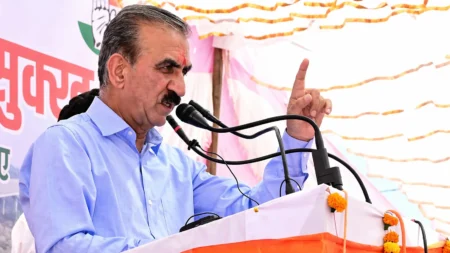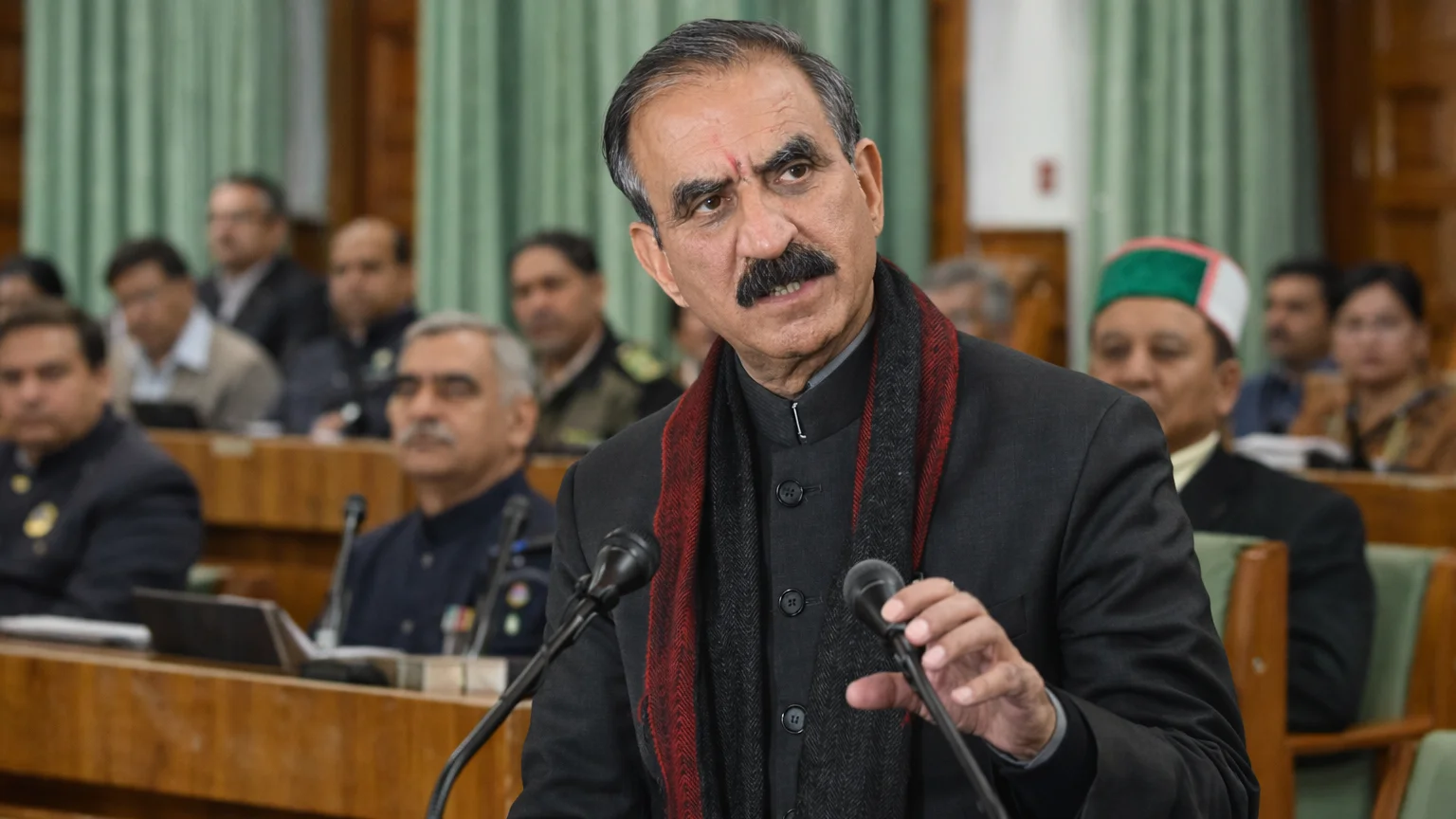
SHIMLA, March 23: With unemployment continuing to be one of the most pressing concerns in Himachal Pradesh, the Budget 2026–27 presented by Chief Minister Sukhvinder Singh Sukhu attempts to strike a balance between limited fiscal space and rising expectations from the state’s youth.
Instead of announcing large-scale government recruitment, the budget leans toward a gradual shift — from job-seeking to job-creation — with a clear emphasis on skills, entrepreneurship and sector-specific opportunities.
For many young aspirants preparing for government exams, that shift may take time to sink in.
The government has made it clear that recruitment will continue, but only in a targeted and phased manner, primarily in departments such as education, health and policing. There is no indication of a broad-based hiring drive, something that had been widely anticipated in the run-up to the budget.
Officials maintain that the state’s financial position — with a large portion of expenditure tied up in salaries, pensions and debt — leaves little room for aggressive expansion of the workforce.
Skills Push Gains Ground, But Execution Will Matter
A key pillar of the budget is the expansion of skill development programmes, aimed at improving employability in sectors that are already showing demand.
Tourism, small-scale industries and service-based work have been identified as areas where trained youth could find opportunities. The emphasis is not new, but this time it appears more central to the government’s employment strategy.
There is also a renewed push toward entrepreneurship and startups, with the government indicating support for youth willing to explore self-employment. While detailed financial provisions are yet to be fully outlined, the intent is to move beyond the traditional reliance on government jobs.
In districts like Kangra and Mandi, where a large number of candidates prepare for competitive exams, this shift could change how employment is viewed — though not immediately.
Digital and Tourism Sectors Seen as Opportunity Zones
The budget also reflects a growing recognition that employment in hill states cannot rely solely on conventional sectors. There is a visible tilt toward digital and remote work opportunities, particularly in IT-enabled services and small online enterprises.
Given Himachal’s terrain, where physical mobility can often be a constraint, this approach is being seen as both practical and necessary.
At the same time, continued investment in tourism infrastructure is expected to generate indirect employment. From transport to hospitality, the sector remains one of the few areas where job creation can scale relatively quickly.
Aspirations vs Reality
Despite these measures, the absence of a clear job number or recruitment target has left a section of youth unconvinced.
For many, particularly those who have spent years preparing for government services, the expectation was of a stronger signal — either through mass recruitment or a time-bound hiring plan.
The budget offers direction, but not immediate certainty.
Conclusion
The Himachal Budget 2026–27 marks a gradual but noticeable shift in how employment is being approached in the state. The focus is no longer solely on government jobs, but on building a wider ecosystem where skills, entrepreneurship and emerging sectors play a larger role.
Whether this transition works will depend not just on policy intent, but on how effectively these opportunities reach young people on the ground.
For now, the message is clear — the model is changing, even if expectations have not.