Mumbai, April 22, 2026: Global stock markets moved lower on Tuesday, as investors reacted with caution to the extension of the Iran ceasefire—an announcement that eased immediate conflict fears but failed to calm deeper concerns about geopolitical stability.
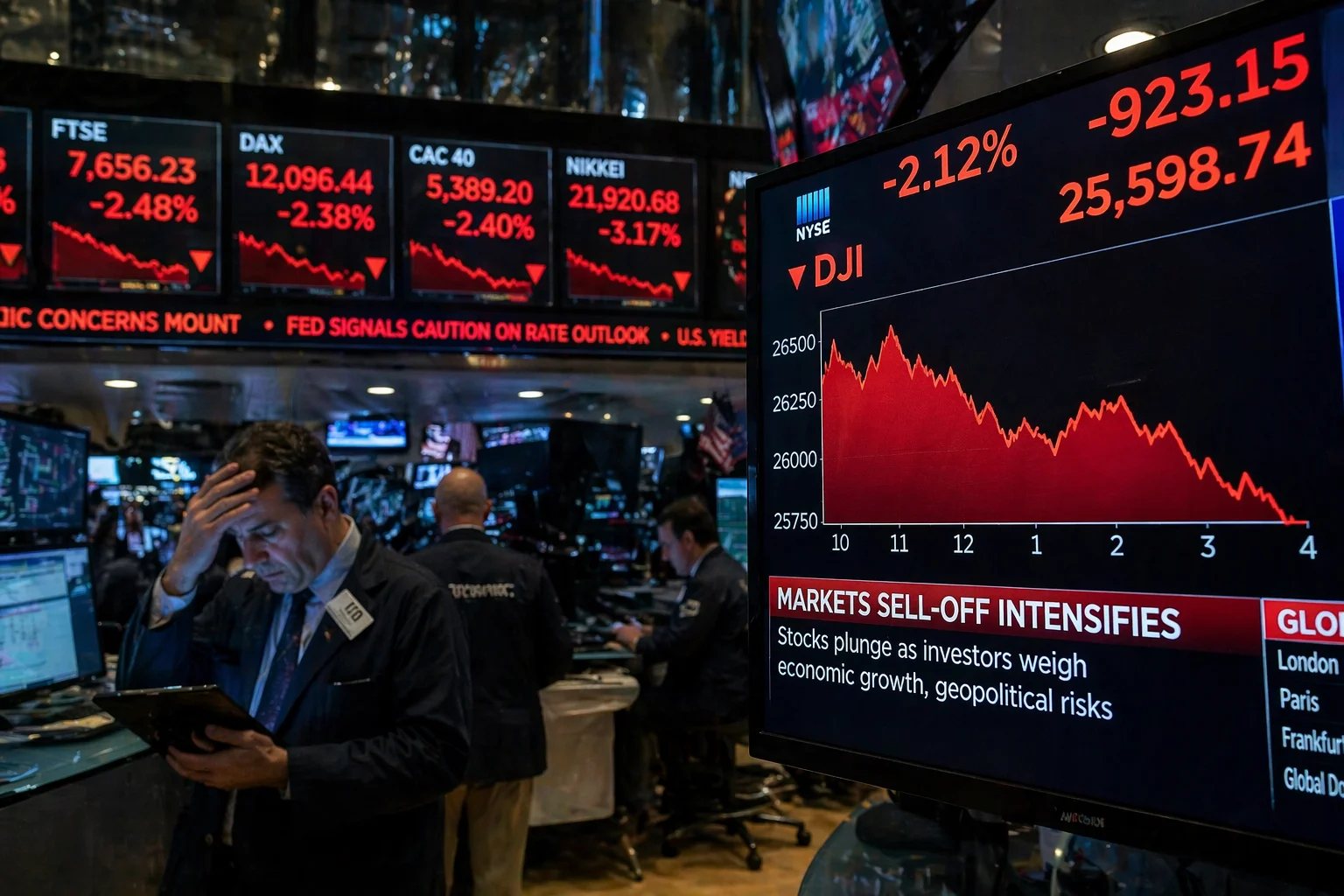
In the United States, the sell-off was led by major indices. The Dow Jones Industrial Average dropped 1.2%, while the S&P 500 declined 0.9% and the Nasdaq Composite fell 0.7%, reflecting a broad risk-off sentiment.
Asian markets followed suit. Japan’s Nikkei 225 slipped 1.5%, and India’s Sensex declined 1.8%, signaling that investor anxiety is not limited to one region but spreading across global financial systems.
A Pause, Not a Breakthrough
The ceasefire—initially brokered in March—has been extended by 30 days. While this reduces the immediate threat of military escalation, markets are treating it as a temporary pause rather than meaningful progress.
“The extension buys time, but the core issues—oil supply risks, sanctions, and regional tensions—remain unresolved,” said economist Rahul Mehta.
This lingering uncertainty continues to shape investor behavior.
Energy Markets Remain the Pressure Point
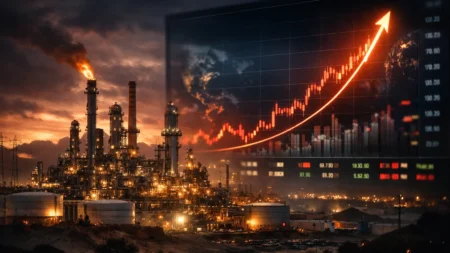
Oil prices remain volatile. Brent crude, which briefly touched $95 per barrel, is now hovering around $88, but traders warn that any setback in negotiations could trigger another sharp spike.
At the same time, key global risks remain in play:
- Continued vulnerability in shipping routes near the Strait of Hormuz
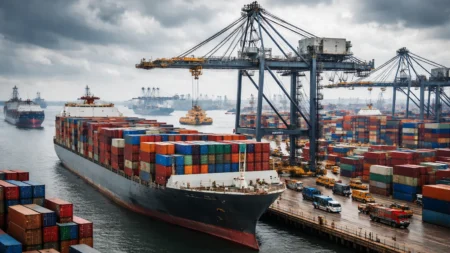
- Supply chain disruptions linked to the Red Sea corridor
- Renewed pressure on inflation due to energy price swings
These factors are complicating the path for central banks already navigating fragile economic recovery.
Markets Shift to ‘Wait Mode’
European markets mirrored the cautious sentiment, with the Euro Stoxx 50 falling 1.1% and the FTSE 100 down 0.8%, reflecting concerns over energy dependence.
“Investors are essentially in a holding pattern. There’s relief, but no clarity,” said Anjali Kapoor, a macro strategist.
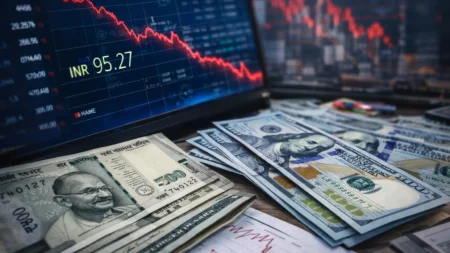
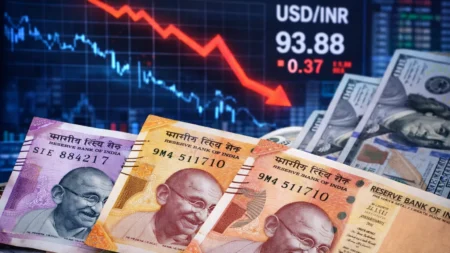
In India, the Rupee weakened to 83.45 per dollar, while the Reserve Bank of India flagged risks from prolonged geopolitical uncertainty.
Political Pressure Builds Alongside Economic Risk
Global political reactions remain cautious. While Western governments have welcomed the extension, critics argue it delays rather than resolves the crisis.
In Iran, leadership has reiterated demands for sanctions relief, even as domestic protests in major cities highlight growing economic pressure.
Why This Matters
The extension of the ceasefire may have prevented immediate escalation, but markets are reacting to what lies beneath—unresolved risks, fragile diplomacy, and the constant threat of disruption.
With oil prices still sensitive, supply chains exposed, and investor confidence shaky, the coming weeks could prove decisive. If negotiations fail to move forward, global markets may face renewed volatility—possibly sharper than what we’ve already seen.